Log in and enrol
Fiber-Reinforced Composite Materials for the Circular Economy: Challenges and Opportunities
Fiber-Reinforced Composite Materials for the Circular Economy: Challenges and Opportunities
How advanced technologies and systemic solutions can promote the transition from a linear to a circular economy of fiber-reinforced composite materials.
Course description
Carbon-fiber and glass-fiber reinforced composites are widely used in a variety of industrial sectors because of their excellent thermo-mechanical response, their lightweight, and their inherent resistance to corrosion. Important market segments where such complex materials are commonly employed include areas as diverse as aerospace, automotive, wind energy, construction and sport equipment.
The global composites market is expanding rapidly, driven by a constantly growing demand for high-performance and lightweight parts and products. However, their increasing use poses critical challenges related to their end-of-life, as traditional disposal methods (landfilling, incineration) for these materials are both economically and environmentally unsustainable and non-viable.
In addition, recycling rates remain low due to technical and economic barriers, making circular economy strategies essential. Within this framework, this MOOC will provide a comprehensive overview of sustainable strategies for the end-of-life management of fiber-reinforced composites. After introducing the technical, logistic, and legislative challenges associated with the end-of-life of composite parts and products, the course will explore different reuse, repair, demanufacturing, remanufacturing and recycling technologies to boost the circularity of composite materials. These will be complemented by innovative design strategies for recyclability, including the implementation of modular design concepts and the adoption of reversible materials.
The course will also integrate circular economy principles, innovation management, and circular business models, alongside environmental and socio-economic sustainability assessment practices. This MOOC was developed in the context of the RECREATE project (REcycling technologies for Circular REuse and remanufacturing of fiber-reinforced composite materials, g.a. 101058756), a Horizon-Europe-funded collaborative research and innovation initiative aiming to develop innovative technologies turning end-of-life composite waste into feedstock for high-value parts and materials for the manufacturing industry.
The course also integrates advanced tools for active learning: a digital twin of a laboratory-scale machine for the recycling of composite materials, and a gamification platform that uses game dynamics to assess the knowledge that learners have gained. Focusing on the general topic of “Circular Economy and Sustainability”, this game-based assessment tool will engage students in managing the activities of a hypothetical manufacturing company with the aim of improving its circularity performance through appropriate decisions on investments and business initiatives.
Students attending this course will be equipped with the tools to drive sustainable innovation in the field of fiber-reinforced composite materials, in line with the principles of the circular economy.
Total workload of the course: 25 hours
This MOOC is provided by Politecnico di Milano.
This MOOC is one of the outputs of the RECREATE project, funded by the European Union’s Horizon Europe research and innovation programme under grant agreement (No.101058756).
This project has received funding from the European Union’s Horizon Europe research and innovation programme under Grant Agreement No. 101058756.
The European Commission’s support for the production of this publication does not constitute an endorsement of the contents, which reflect the views only of the authors, and the Commission cannot be held responsible for any use which may be made of the information contained therein.
Intended Learning Outcomes
At the end of this course, you will be able to:
- Understand the main properties, applications, and end-of-life challenges of composite materials across different industrial sectors
ESCO: composite materials - Identify and compare suitable end-of-life strategies for composite products, including dismantling, repair, reuse, remanufacturing, and recycling
ESCO: product life-cycle - Explain and apply advanced technologies for the characterization, processing, and recycling of composite materials, considering key technical and operational parameters
- Understand the principles of circular economy and sustainability in relation to composite materials, including design-for-circularity approaches and reversible material systems
ESCO: circular economy - Evaluate technical, economic, environmental, and socio-economic aspects of circular solutions for composites, including innovation, business models, and risk assessment
ESCO: management and administration
Prerequisites
No prerequisite knowledge is required for this course.
Activities
Over and above consulting the content, in the form of videos and other web-based resources, you will have the opportunity to discuss course topics and to share ideas with your peers in the Forum of this MOOC. The forum of this MOOC is freely accessible, and participation is not guided; you can use it to compare yourself with other participants, or to discuss course contents with them.
Section outline
-
-
-
-
Intended Learning Outcomes of Week 1 Page
-
-
-
Intended Learning Outcomes of Week 2 Page
-
-
-
Intended Learning Outcomes of Week 3 Page
-
-
-
Intended Learning Outcomes of Week 4 Page
-
-
-
Video transcripts Folder
-
Assessment
Your final grade for the course will be based on the results of your answers to the assessed quizzes. You have an unlimited number of attempts at each quiz, but you must wait 15 minutes before you can try again. You will have successfully completed the course if you score 60% (or higher) in each one of the assessed quizzes. The maximum score possible for each quiz is given at the beginning of the quiz. You can view your score in the quiz on your last attempt or on the 'Grades' page.
Certificate
You can achieve a certificate in the form of an Open Badge for this course, if you reach at least 60% of the total score in each one of the assessed quizzes and fill in the final survey.
Once you have completed the required tasks, you will be able to access ‘Get the Open Badge’ and start issuing the badge. Instructions on how to access the badge will be sent to your e-mail address.
The Badge does not confer any academic credit, grade or degree.
Information about fees and access to materials
The course is delivered in online mode and is available free of charge.
Course faculty
Gianmarco Griffini
Teacher
Gianmarco Griffini is currently an Associate Professor of Materials Science and Technology at the Department of Chemistry, Materials and Chemical Engineering “Giulio Natta” of Politecnico di Milano (Polimi). He received his MSc degree in Chemical Engineering (2005), and his PhD degree in Materials Engineering (2012) from Polimi after a few years spent in the private sector as process engineer. He has held visiting positions at University College London (UK), University of California-Berkeley (USA), and University of Castilla-La Mancha (Spain). His research interests are focused on the design, synthesis and characterization of polymer-based materials and on their structure-property relationships. Areas of major effort include: bio-derived polymers/composites for sustainable manufacturing; materials and devices for solar energy harvesting, management and conversion, and for energy storage; stimuli-responsive polymers for advanced manufacturing; recycling processes. In these areas, he is/has been involved as scientific coordinator in several regional, national and EU funded projects, and as responsible for different research contracts with the private sector. Since 2014, he has been a lecturer for courses in the broad area of polymer science, chemistry and technology in the School of Industrial and Information Engineering (B.Sc./M.Sc. degree in Materials Engineering and Nanotechnology), School of Design (M.Sc. degree in Design & Engineering and in Integrated Product Design) and PhD program in Materials Engineering at Polimi.
Mohammad Jawad Berro
Teacher
Mohammad Jawad Berro is a research engineer at the Icam School of Engineering, Nantes campus, based in Carquefou.
He recently obtained his PhD in composite materials after spending three years on the same campus from September 2022. He had the opportunity to work with composites and develop a pre-industrial prototype establishing a new recycling process for glass fibre reinforced polyesters.
He previously worked as an online tutor for Booking Basics Qatar, where he mentored international students pursuing a degree in mechanical engineering. He has led several projects specialising in mechanical design and development.
He obtained his Master's degree in Composite Materials Research from the Faculty of Engineering III at the Lebanese University in Beirut, after obtaining a Master's degree in Mechanical Engineering from the same institution.
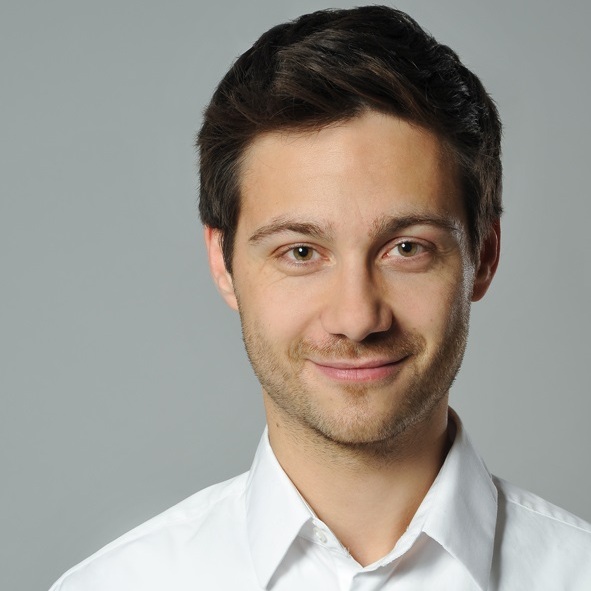
Alexander Erler
Teacher
Alexander Erler is a Project Leader at EDAG Engineering GmbH in Munich, where he has been active since March 2019. In this capacity, Alexander leads projects focused on advancing sustainability and innovation within the automotive industry. With a specialization in life cycle assessment (LCA), circular product design, and lightweight construction, Alexander is responsible for guiding the development of environmentally conscious vehicle concepts. This includes creating environmental product declarations (EPDs) and implementing strategies to improve the ecological footprint and the circularity of products. Alexander’s work bridges technical expertise and project coordination, ensuring that sustainability goals are integrated into every stage of product development.
Alexander holds a Master of Science in Mechanical Engineering and Management from the Technical University of Munich (TUM), with a focus on automotive engineering and lightweight design. Prior to this, Alexander earned a Bachelor of Science in Mechanical Engineering from the Karlsruhe Institute of Technology (KIT), specializing in automotive technology. During studies at KIT, Alexander gained first hands-on experience in project management and lightweight design as a member of the Formula Student Team KA-RaceIng, contributing to chassis and aerodynamics development and the manufacturing of fiber-reinforced components.
With a strong foundation in technical innovation and sustainability, Alexander continues to contribute to progress in engineering and sustainable product development.
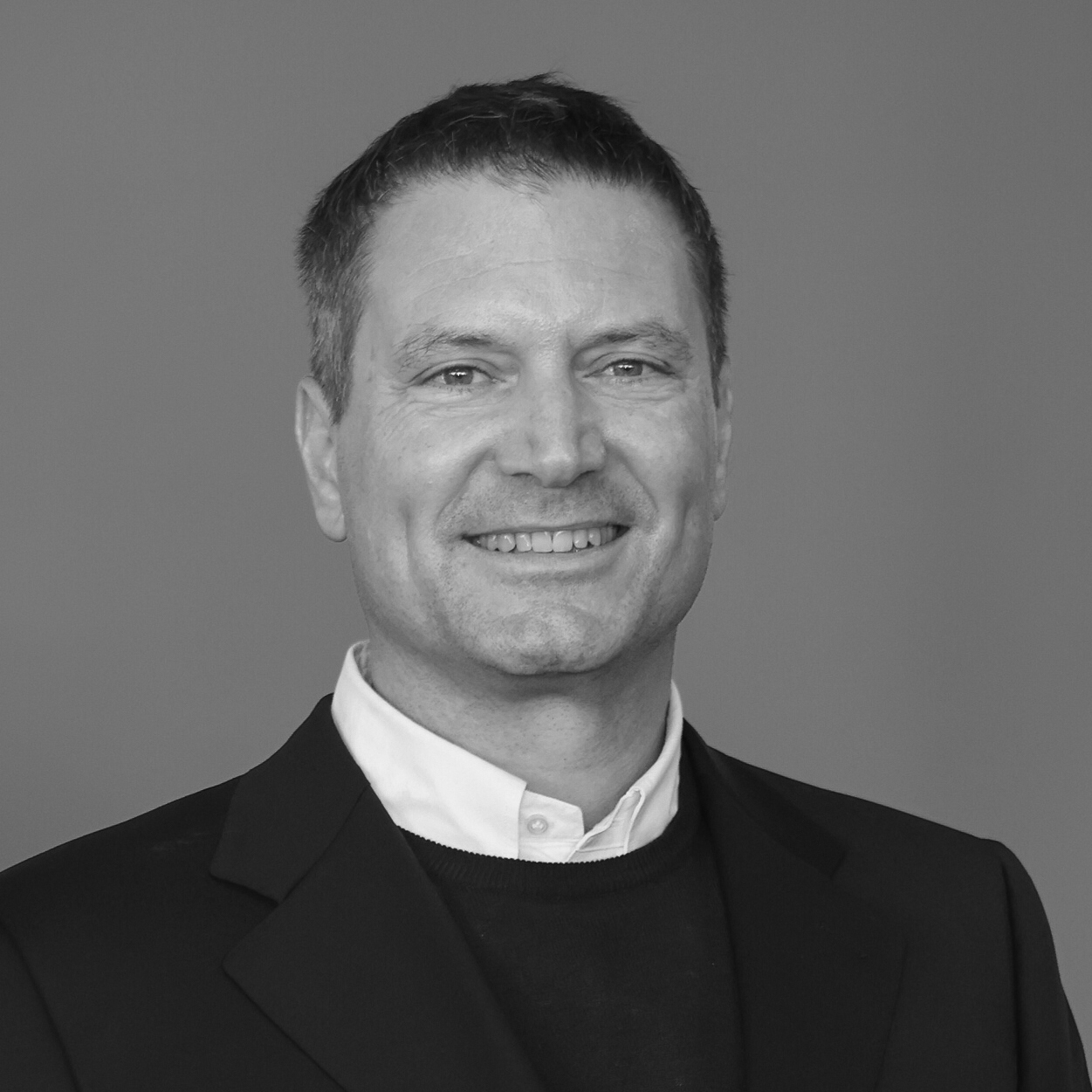
Jurij Giacomelli
Teacher
Jurij Giacomelli founded the firm META Circularity (previously: Giacomelli Media Management and Consulting Ltd, Gm) in 2012 and is engaged with circular transformations and sustainability innovation. He is senior expert on green, sustainable financing and investing. In the course of his career, he served on leading positions in several industries, including news media and publishing, industrial design, insurance, banking (NLB, region’s leading banking group, during the Bank’s bailout and strategic shift) and venture capital.
Jurij has over 25 years of professional experience of which more than 12 years dedicated to senior level professional experience entail advisory to public and private sector, with a considerable achievements in investment readiness of climate, green and sustainable finance, expert advisory to startups, scaleups and SMEs in various ecosystem contexts across the EU.
He is a expert advisory and lead in multi-level systemic transition towards a more sustainable and more circular systemic solutions, including the Roadmap towards the circular economy of Slovenia and strategic transformations in the Slovenian development bank SID banka and Intesa Sanpaolo Bank, a part of a leading European banking group; advisor to corporates and SMEs on sustainability reporting, the adoption of EU taxonomy and the circular business models through one-on-one advisory as well as the design and implementation of training programmes at the Circular Business Academy.
Additionally, Jurij has profound knowledge and experience in working with the GRE standard, is a seasoned expert on exploitation of R&D project results, particularly in the area of biodiversity and the circular economy through the experience earned in the context of Horizon Europe, Interreg and S3 projects and consortia. He has a strong track record in new ventures development, transformation management and organisational development in financial and non- financial organisations across several industries and robust knowledge towards the realisation of sustainable development goals (SDGs). He is also the President of the Italian-Slovenian Forum and is speaker, lecturer and a writing contributor in several news media.
Michael Haumann
Teacher
Michael Haumann is the Executive Officer of APRA Europe, the Automotive Parts Remanufacturers Association in Europe. APRA is the voice of the Remanufacturing industry and represents 160 leading companies across the entire automotive Remanufacturing supply chain.
Michael Haumann has been closely involved with the Remanufacturing industry for more than 20 years, working as a researcher, consultant, and APRA executive. For the past ten years, he has also led his own consultancy firm together with his team.
He holds a degree in production engineering and earned his Ph.D. with a focus on variety management in Remanufacturing.
Kirsten Lange
Teacher
Kirsten Lange is a logistics expert with a strong background in process management and optimization. She studied logistics at TU Dortmund University and began her career at the Fraunhofer Project Group for Process Innovation, where she worked on production optimization in small and medium-sized enterprises (SMEs) and remanufacturing companies, with a focus on value stream mapping and analysis.
She subsequently specialized in process and energy optimization within a medium-sized holding company, where she also served as an energy management representative, supporting the systematic improvement of operational efficiency in companies in the circular economy.
She later worked at the University of Kassel, combining research in process design and new work with teaching in process management and process optimization. Her academic activities included research projects as well as delivering lectures and practice-oriented courses.
Since June 2024, she has been working as a project manager at APRA Europe, contributing to several Horizon Europe projects with a focus on circular economy strategies, regulatory aspects, and communication and dissemination. In addition, she is a lecturer at UNIKIMS, the Management School of the University of Kassel.
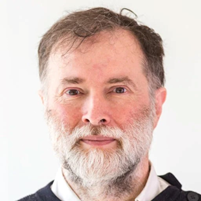
Eric Le Gal La Salle
Teacher
Eric Le Gal La Salle has been working as an assistant professor at Icam Ouest since 1993. His main field of interest is polymers and composites processing and recycling. He supervised 7 thesis in this area, most of them included in national or international projects. He also coordinated about 100 six months lasting research and development projects in material sciences fields for industries, mainly focused on polymers and composites.
Previously, after obtaining his engineering degree from ESPCI, Paris PSL and working 14 months as a guest worker at the NBS, Md, USA, he obtained a PhD in optics and signal processing from Universities of Paris VI and XI, France in 1990. Then he worked for Michelin Tyre Company as a research engineer in rubber compounding.
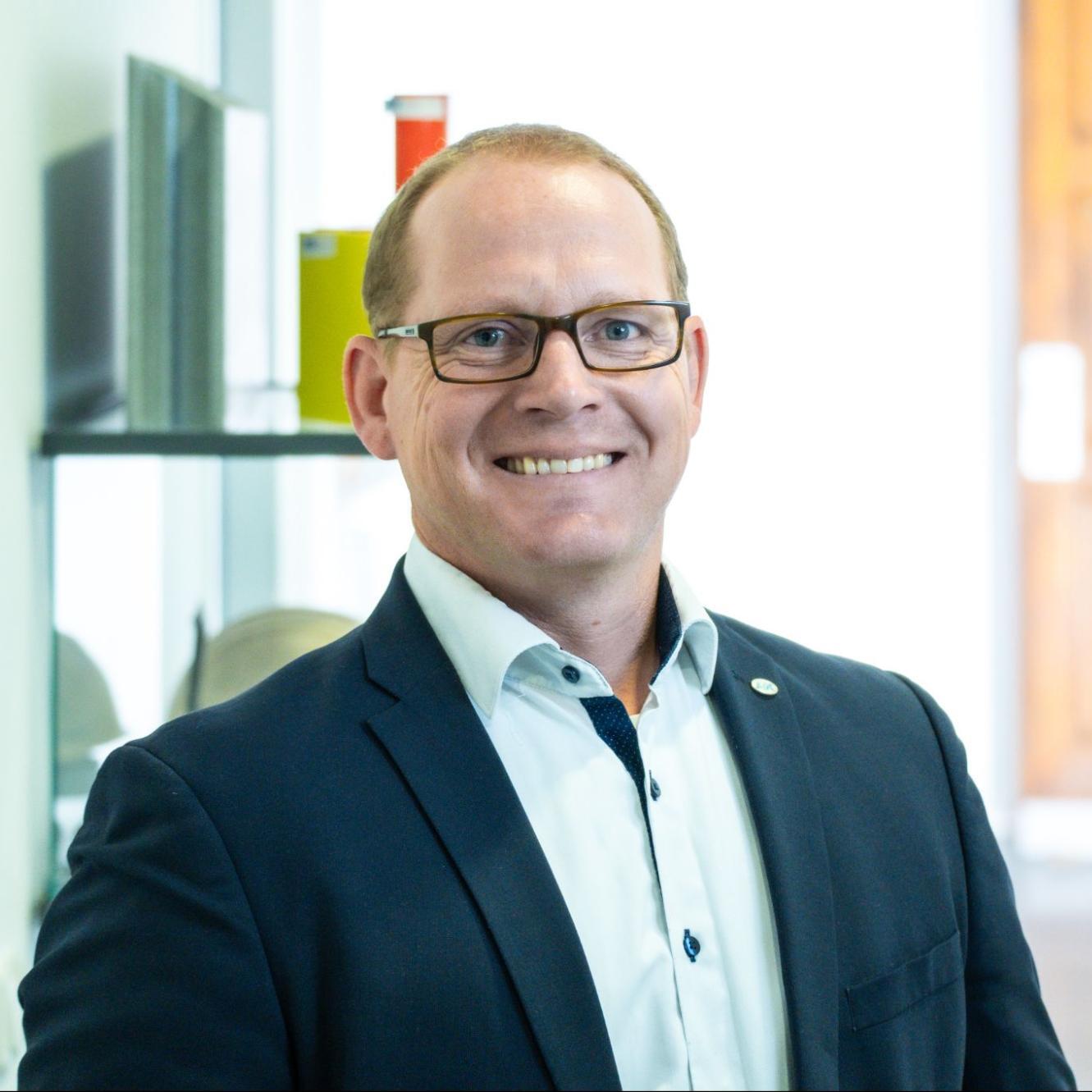
Volker Mathes
Teacher
Volker Mathes has been working in business development and market analysis at AVK - Industrievereinigung Verstärkte Kunststoffe (Industrial Association for Reinforced Plastics), based in Frankfurt am Main, since April 2009.
Previously, he worked as a project manager in the International Business Development/Strategy Projects department at TÜV Rheinland Kraftfahrt GmbH. He gained further professional experience in the field of service development at TÜV Rheinland Akademie. He also supported the central innovation process manager at TÜV Rheinland Holding in implementing a group-wide, systematic innovation management system.
During his studies at RWTH Aachen University, he was involved in various projects as a research assistant. He completed his studies there with a focus on competence development and innovation capability. He also worked as an executive assistant in a small IT company.
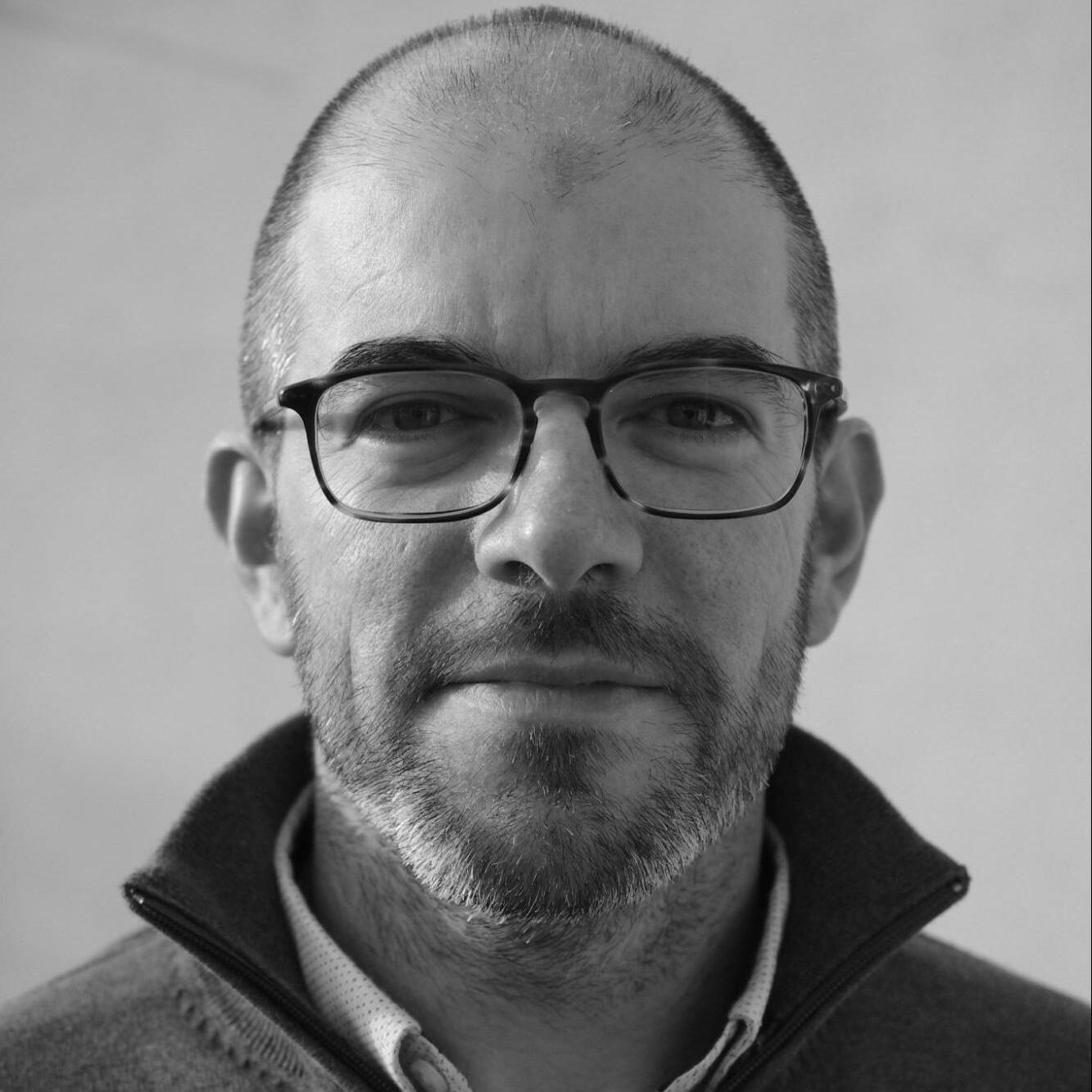
Maxime Olive
Teacher
Maxime Olive is an R&D Engineer with more than 20 years of experience in the adhesive industry, especially formulation issues and debonding strategies for APPLUS+ RESCOLL, FRANCE. Maxime has a MS degree from the Graduate School of Chemistry and Physics of Bordeaux and studied his PhD in polymer science at Bordeaux University. In 2004, Maxime started working on debonding on command for the automotive industry, with specific focus on integration of debondable adhesives in existing production lines and economical soundness towards current ELV regulations. From 2004 to 2010, Maxime has carried out several development studies for industrial partners, with some successful integrations of debonding on command. In 2010, Maxime took a position as Team Manager of the Eco Innovation Department in APPLUS+ RESCOLL, with activities ranging from adhesive dismantling strategies to adhesive formulation or Life Cycle Assessment. In 2015, Maxime moved to the position of Corporate Research and Industrial Property (IP) Coordinator. Maxime is now in charge of the business development of bonding and debonding activities at APPLUS+ RESCOLL.
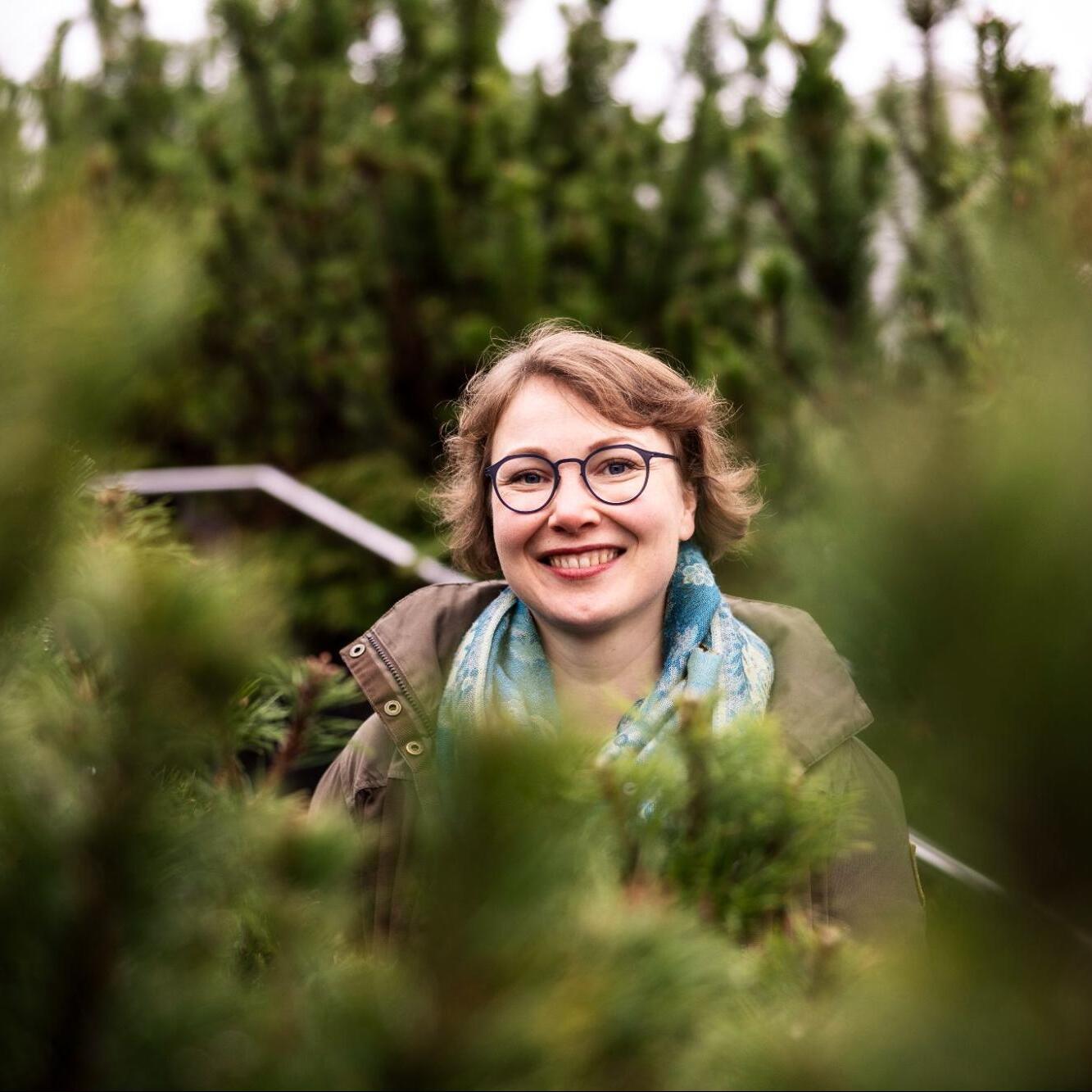
Essi Sarlin
Teacher
Essi Sarlin is a Professor of Polymeric Materials at Tampere University, Finland, specializing in the sustainability of polymers and composite materials. Her research focuses on polymer- and elastomer-based composites, with particular emphasis on tailoring and characterizing the interfacial properties between reinforcements and matrices, as well as controlling the degradation behaviour of composite structures. Since 2017, she has been actively involved in international and national composite recycling projects, investigating how different recycling technologies affect the quality of recovered fibres and exploring ways to enhance the valorisation of these materials. Her scientific work aims to bridge the gap between microscopic interface phenomena and the macroscopic performance of composite structures, which is an essential step in translating research into industrial applications. Her research also extends to broader sustainability challenges, including microplastics, the use of renewable raw materials in polymeric systems, and the general processing–structure–property–performance relationships that govern polymer’s behaviour. Her group employs advanced experimental techniques, including micro-robotic testing, to precisely analyse mechanical properties at the microscale, particularly at fibre-matrix interfaces. She collaborates frequently with industrial partners, bringing a strong applied perspective to her work.
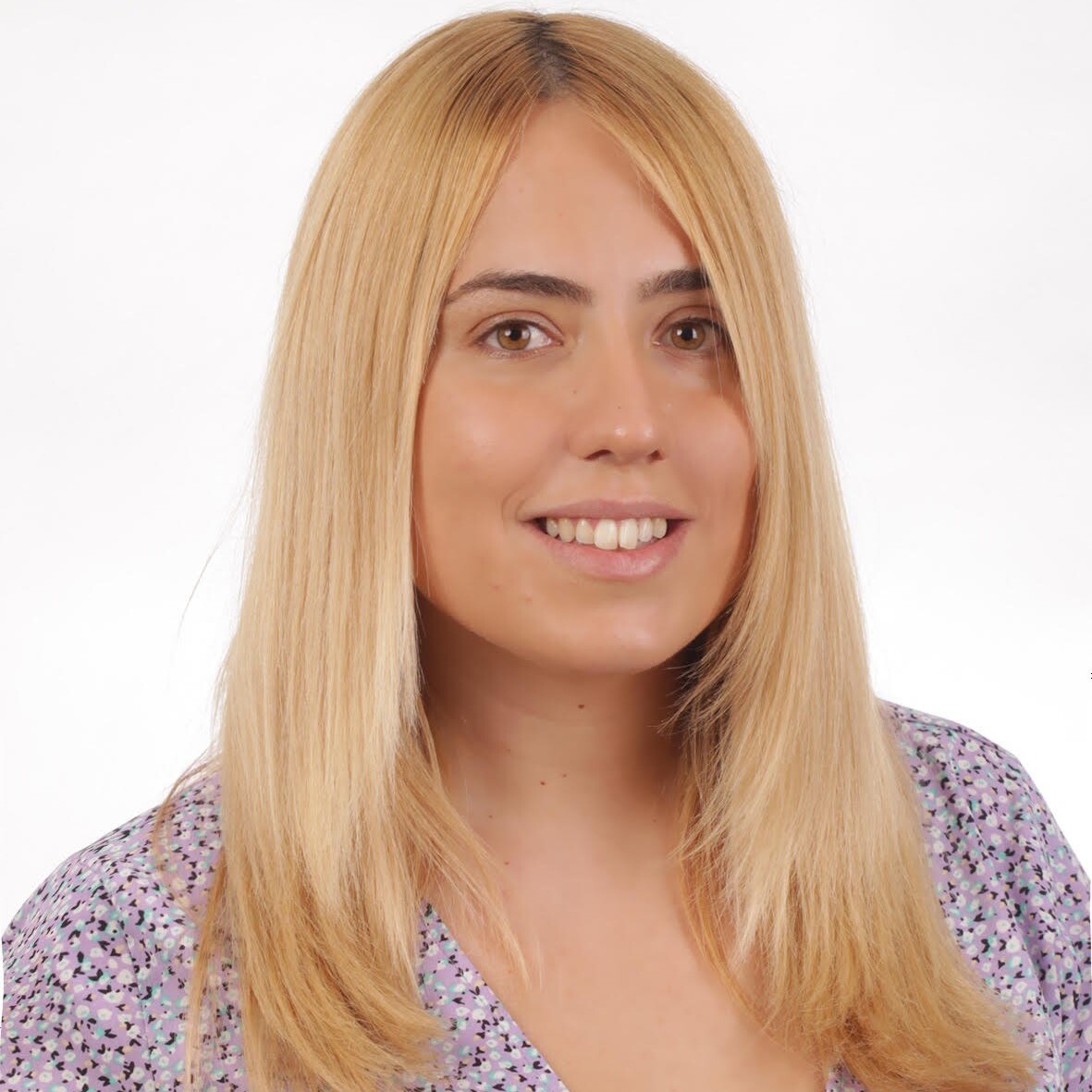
Christina Vogiantzi
Teacher
Christina Vogiantzi is a PhD candidate at the Department of Mechanical Engineering and Aeronautics of the University of Patras, Greece. Since September 2022, she has been conducting her doctoral research at the Laboratory of Technology and Strength of Materials. Her PhD focuses on recycling methodologies for composite materials, with particular emphasis on chemical recycling and, more specifically, on the solvolysis of carbon fibre reinforced polymers (CFRPs) using green solvents.
Her research also includes the environmental assessment of recycling routes through Life Cycle Assessment (LCA), their comparative evaluation, and the analysis of economic performance through Life Cycle Costing (LCC). In parallel, she participates in European research programmes with a central focus on the circular economy and on the integrated environmental and socio-economic sustainability assessment of reuse, recycling, and remanufacturing processes.
She obtained her Diploma in Mechanical and Aeronautical Engineering from the University of Patras in April 2021, with specialization in Aeronautical Engineering, and her Master’s degree in Advanced Technologies in Mechanical and Aeronautical Engineering, specializing in Computational–Experimental Mechanics and Advanced Materials, in September 2022.
Contact details
If you have any enquiries about the course or if you need technical assistance please contact pok@polimi.it. For further information, see FAQ page.